

Table of Contents Introduction: The Appeal of Immersive Casino Experiences Visual Power and Realism in Online Casinos Interaction and Player Engagement Bonuses, Promotions, and Unexpected Rewards Designing the Ideal Interface Payments and Seamless Experience The Future of Immersive Casino Gameplay Conclusion The Appeal of Immersive Casino Experiences It’s sometimes surprising how a simple spin can …


Table of Contents
Introduction: The Appeal of Immersive Casino Experiences
Visual Power and Realism in Online Casinos
Interaction and Player Engagement
Bonuses, Promotions, and Unexpected Rewards
Designing the Ideal Interface
Payments and Seamless Experience
The Future of Immersive Casino Gameplay
Conclusion
The Appeal of Immersive Casino Experiences
It’s sometimes surprising how a simple spin can draw someone into a vivid, digital world. Maybe it’s the light, the sound, or maybe it’s that small pulse of chance just before the reels stop. Online casinos today aren’t just about wagering anymore—they’ve become spaces of interaction and style, of sensory detail. That’s part of what draws players to modern platforms such as Lightning Storm casino, where the technological focus creates something that’s both playful and genuinely fresh.
I think what grabs people most is how close these games are to the atmosphere of an actual casino floor. You can almost imagine the soft hum of conversation, the scattered clinking of virtual coins, or that momentary silence just before a big reveal. There’s a kind of anticipation that feels tangible even from the comfort of your desk.
Visual Power and Realism in Online Casinos
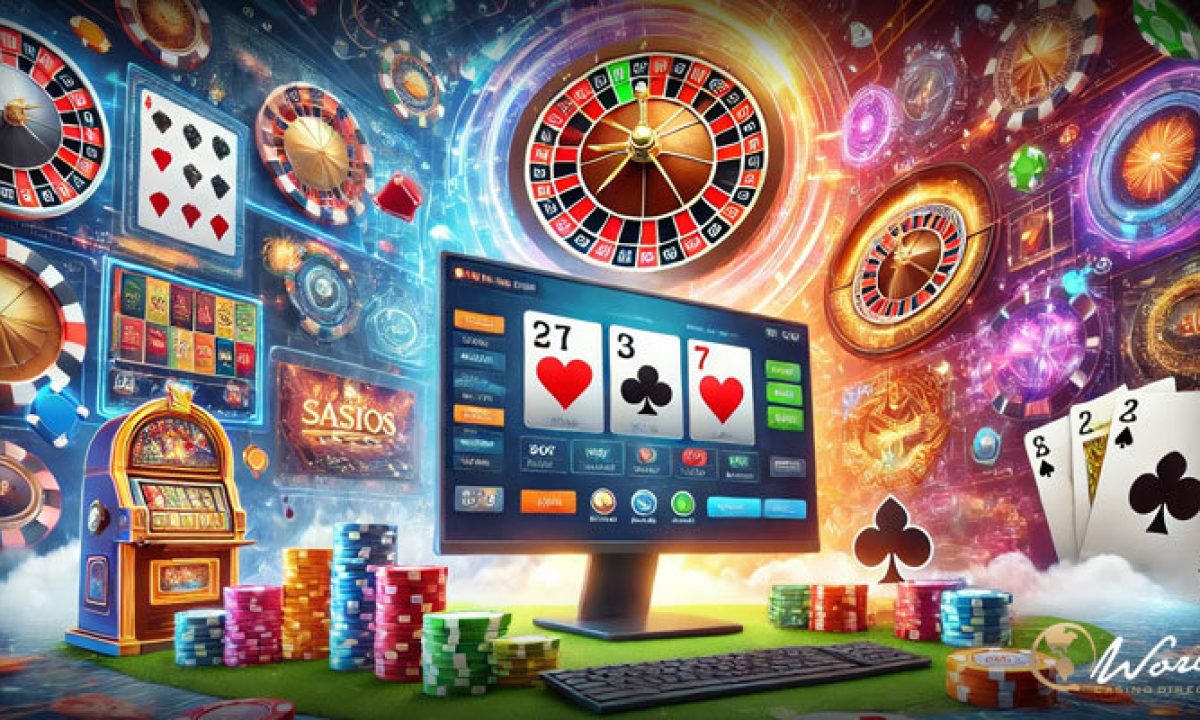
Some games now look more like art than code. With advanced 3D detailed animations, contrasting colors, and adaptive lighting, the experience feels almost cinematic. It’s not difficult to believe that visual depth influences gaming behavior; players can connect emotionally with what’s on screen. I suppose the synergy of artistry and probability makes the difference.
This focus on design doesn’t just make things pretty; it strengthens engagement, shaping how players perceive wins, near-misses, or even losses.
Even subtle details—how a card turns, how a slot reel blurs during spin—play into this perception. These are not random. Design teams deliberately balance motion, light, and timing. Sometimes, that’s all you need: that immaculate sense of realism that keeps a player exploring a bit longer.
Interaction and Player Engagement

Immersive casino action is as much about participation as it is about chance. Players now move in dynamic environments where they can interact with live dealers, observe shared tables, and chat while spinning reels. Sometimes it feels like a social event that’s happening without leaving your living room. For many, especially those living far from major gambling hubs, it’s a way to feel connected.
A few small features that can make a big difference:
- Real-time multiplayer features for collaborative play.
- Personalized rewards based on user activity levels.
- Live chat windows that include quick emoji feedback.
There’s even something satisfying in those small notifications or pop-ups that let you know others are winning somewhere nearby. It’s a clever psychological design—a reminder that success could be shared. Hovering over a reward icon might even show extra data like true mini game metrics or additional achievements, turning a simple session into something exploratory.
Bonuses, Promotions, and Unexpected Rewards
Everyone loves the word “bonus,” but I’ve realized that not all players look for the same kind. Some prefer large welcome offers, while others chase smaller, recurring incentives. The art lies in balancing generosity with sustainability, and in making players feel acknowledged for returning.
Many platforms now use adaptive promotional systems that learn from behavior, adjusting offers as you play.
Among many strategies that operators use, social contests and spontaneous giveaways often stand out. Sure, it’s partly marketing, but when it’s done right, it can stir genuine excitement. Receiving a free spin or complimentary chip during a game session feels a bit like catching a lucky break.
- Seasonal tournaments with themed designs.
- Hidden jackpots unlocked by completion of quests or daily goals.
- Referral rewards encouraging community growth.
It reminds me how much of gaming is about surprise and timing, not just probability. Incentives take that same element and turn it into motivation.
Designing the Ideal Interface
The best casinos online are not necessarily the flashiest ones. Instead, they offer consistency, fluid transitions, and responsive interactions. When smooth visuals meet fast functionality, players naturally stay longer. I find interfaces that minimize friction tend to build loyalty even more effectively than promotions.
INFOBOX: Clear navigation and transparent rules are elements of design just as much as colors or font. They build trust silently, but effectively.
On mobile devices the challenge grows: one-handed play, varying resolutions, and a constant need to keep the experience rich but never cluttered. Casinos meeting this balance often earn loyal followings not only for visuals but also efficiency.
Payments and Seamless Experience
Fast, simple payments might not sound exciting, but they’re crucial. When deposits are immediate and withdrawals reliable, confidence grows. Platforms now often integrate multiple gateways, balancing security with versatility, allowing digital wallets, crypto, or traditional banking.
It’s the invisible backbone of trust in gaming. Some people only notice it when something goes wrong—delayed transfers or high fees can quickly break immersion. That’s why good back-end systems are just as vital as creative gameplay design.
The Future of Immersive Casino Gameplay
Technology rarely stands still. Virtual reality is no longer an experiment sitting on the edge of the industry, it’s becoming part of the mainstream. In the near future, players might move through halls that look and sound indistinguishable from high-end venues. You’ll sit at a table, glance at a digital dealer, and still get the thrill of unpredictability.
Artificial intelligence already adjusts games to individual preferences. Personalized jackpots, tailored music, dynamic environments—they’re all early indicators of adaptive entertainment. These details might seem small now, but I believe they’ll shape how the next generation views gaming entirely.
Conclusion
Casino entertainment has shifted beyond its older definitions. We’re not just looking at digital imitations of real tables anymore but a hybrid space where design, sensory play, and intelligent feedback blend seamlessly. Sites like these foster emotional engagement almost as much as financial play.
When I think back on the phrase “immersive gameplay,” it’s not merely about visuals or rewards, it’s about feeling involved. The line between physical and virtual entertainment keeps fading, leaving us with experiences that balance artistry, risk, and comfort in a single motion. It’s an evolution—and perhaps, a reminder—that even chance can be beautifully designed.


